
As much as we love recycling, we recognize that there are issues still surrounding the recycled materials industry in the United States today. Back in 1960, Americans produced about 2.68 pounds of trash per day, which had increased to around 4.51 pounds by 2017—and according to the most recent EPA data, reached about 4.9 pounds per day by 2018. Despite the efforts of many citizens to recycle and diligently separate items, a significant number of recyclables ultimately do not get recycled.
Why the Recycled Materials Industry Needs Support
Challenges of the recycled materials industry: Contamination, limitations, and environmental impacts.
The issue with the recycled materials industry in America is that many recyclables become contaminated when placed in the wrong bin or when dirty food containers are mistakenly included in the recycling bin. This contamination often prevents large amounts of materials from being recycled. Additionally, some facilities are unable to process certain materials, further adding to the difficulty of recycling.
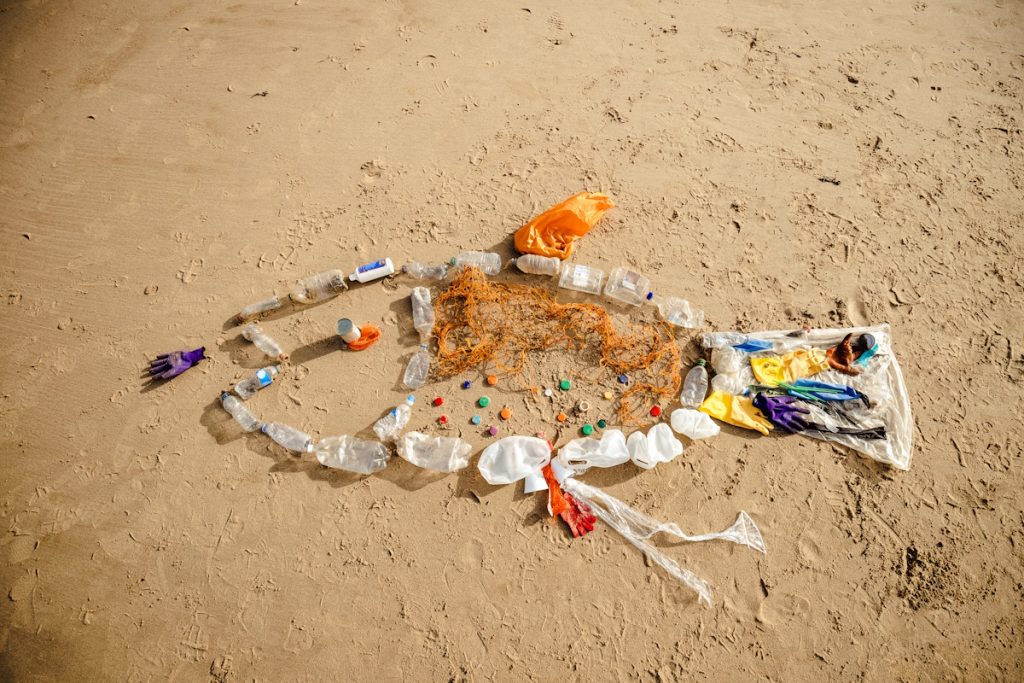
Furthermore, many items that are collected for recycling, such as plastic straws, bags, eating utensils, yogurt containers, and takeout containers, cannot actually be recycled. Instead, they typically end up being incinerated, sent to landfills, or even washed into the ocean. While incineration can sometimes be used to generate energy, waste-to-energy plants have been connected to toxic emissions in the past.
The impact of landfills is another concern, as they release harmful substances like carbon dioxide, methane, volatile organic compounds, and other hazardous pollutants into the atmosphere. Additionally, our oceans suffer from the overwhelming presence of plastics, disrupting marine ecosystems.
What Is Actually Recycled?
According to the EPA, out of the 292.4 million tonsof waste produced by Americans in 2018, only 94 million tons were recycled or composted. The recycling rates for specific materials were approximately 68% for paper and paperboard, 25% for glass, and 9% for plastics. Glass and metal can be recycled indefinitely, while paper can be recycled around five to seven times before it becomes too degraded for further use. On the other hand, plastic can only be recycled once or twice, and usually not into food containers, as the polymers break down during the recycling process.
Although single-stream recycling, where all recyclable materials are placed in one bin, has made it easier for consumers to recycle, it also leads to around one-quarter of the materials becoming contaminated. The main challenge in plastic recycling is contamination from other materials, and companies are hesitant to purchase recycled plastic unless it is as pure as virgin plastic.
Texas Recycling: A Dallas Recycling Facility for Metal, Cardboard, Recycled Paper, and More! Call 214-357-0262.
What Are Possible Solutions?

The demand for high quality recycled materials is growing on a global scale. With the rise of e-commerce and packaging requirements, the demand for paper and cardboard is projected to increase by 1.2% annually. To meet this demand, the use of recycled paper will be crucial.
Additionally, the global plastic recycling industry market is expected to continue growing strongly, with forecasts estimating it could exceed $130 billion by the mid-2030s. As a result, companies are striving to improve the quality of recycled plastic and incorporate it into the production of plastic products. Various industries, such as packaging, construction, electronics, automotive, furniture, and textiles, are recycling plastic, especially PET and HDPE, for their manufacturing processes.
To address the recycled materials industry challenges in the United States, the key lies in developing the domestic market. This entails enhancing the technology for sorting and recovering materials, increasing the use of recycled materials in products, facilitating the distribution of these products, and generating demand for them.
Sharing Recycled Materials Industry Best Practices
Geographical areas where the recycled materials industry is thriving

The recycled materials industry is thriving in various locations around the world, with San Francisco being one of the noteworthy examples. Under its long-standing Mandatory Recycling and Composting Ordinance, all residents and businesses must separate waste into three streams: recyclables go in blue bins, compostables (including food scraps and soiled paper) go in green bins, and landfill-bound trash goes in black or gray bins.
To further promote sustainable practices, the city also enforces rules for food vendors and zero waste events, requiring compostable or recyclable foodware and appropriately labeled recycling and composting options wherever food is served. To reduce single-use waste, stores and restaurants must charge a mandated fee for checkout and take-out bags, and only recyclable or compostable bags are permitted under local law.
San Francisco continues to update its waste systems—including new programs for challenging materials like batteries and electronics—while maintaining one of the most comprehensive source-separation infrastructures in the country.
In South Korea, nationwide recycling and waste management systems have become models for sustainable materials recovery. Recent official statistics show that the country’s overall municipal recycling rate is around 58.7%. One particularly striking success is food waste: South Korea now recycles about 97–98% of its food scraps through a comprehensive system that requires residents to separate organic waste at the source and pay fees based on the amount they discard.
The “pay-as-you-throw” approach—where households either purchase designated food waste bags or use smart bins equipped with RFID scales that measure and bill by weight—has helped drive this success while reducing the overall volume of food sent to landfill. Recyclable materials such as paper, metals, and glass continue to be collected separately and are not subject to these weight-based fees, reinforcing proper sorting and recovery.
In Austin, Texas, the city has established ambitious waste diversion goals as part of its Zero Waste Strategic Plan—aiming to divert 75% of waste from landfills by around 2020 and ultimately 90% by 2040. To support this, Austin’s Universal Recycling and Composting Ordinance requires all properties to provide recycling and composting services to their tenants and employees, and property owners must submit annual recycling plans demonstrating compliance. The city also enforces a Construction and Demolition Recycling Ordinance, which requires general contractors on qualifying projects to reuse or recycle at least 50% of their debris (or landfill less than 2.5 lbs. per square foot).
In Taiwan, waste recycling is one of the most efficient and widely practiced systems in the world. The country’s Environmental Protection Agency reports that about 55% of household and commercial waste and 77% of industrial waste are collected for recycling or reuse, among the highest recycling rates globally.
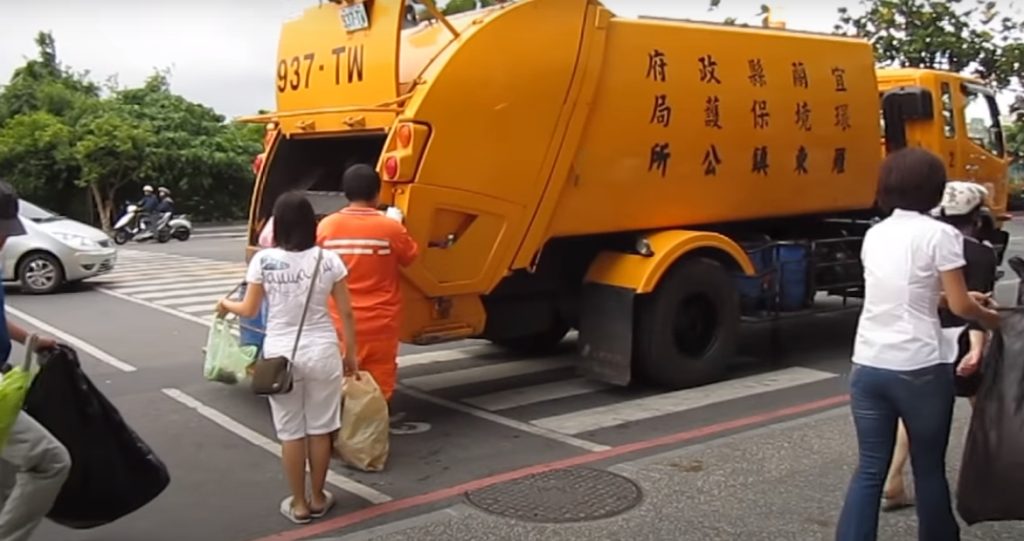
Taiwan’s unique municipal waste system adds to its effectiveness—neighborhood trucks play music as they make scheduled rounds, at which point residents bring out properly sorted trash and recyclables to designated collection points. Recyclable materials are separated into detailed categories and collected separately, helping maximize what can be reused or re-marketed. Recyclables are delivered to processing facilities where many materials are turned into new products or building materials as part of the island’s resource-recovery economy.
Taipei and other cities have also piloted smart recycling stations that allow residents to deposit bottles and cans for rewards—such as credits on transportation smart cards—adding another incentive for public participation.
Germany continues to be one of the most effective countries at recycling in Europe, with a municipal recycling rate of about 67% as of 2023. The country uses a comprehensive system of color-coded bins and bags to separate waste at the source—including paper, packaging, glass, organics, and residual trash—which makes sorting and recovery more efficient.
Germany’s Green Dot (“Grüner Punkt”) system, established in the early 1990s, requires manufacturers to participate in licensed recycling schemes and pay fees based on the amount and type of packaging they place on the market. Products displaying the Green Dot signal that the producer has contributed to the collection, sorting, and recycling costs, helping ensure that packaging is properly recovered and recycled. This extended producer responsibility model has been a cornerstone of Germany’s waste management strategy, driving high recycling performance and encouraging producers to design more recyclable packaging materials.
Texas Recycling: Our Dallas Recycling Center Helps Your Business with Revenue by Accepting Items to Recycle. Call 214-357-0262
How to Support the Recycled Materials Industry Locally?
We must recognize that recycling is only economically viable for a limited range of materials. Therefore, to address our larger recycled materials industry problems, we must explore solutions beyond recycling alone. To reduce our overall consumption, we need to adopt new business models that promote reuse and share best practices from other global geolocations. However, while we strive to implement these alternatives on a larger scale, we must not neglect the importance of recycling.
- Familiarize yourself with recycling symbols to identify recyclable plastics.
- Always have a recycling bin easily accessible.
- Be aware of your community’s recycling guidelines for different items and materials.
- Clean bottles, cans, and food containers before putting them in the recycling bin.
- Opt for jars instead of plastic containers when purchasing and storing items.
- Support products made from recycled materials or containing recycled content.
- Shop at farmers’ markets and bulk food sections to minimize packaging.
- Avoid purchasing single-use items whenever possible.
- Buy in larger quantities and portion out at home to reduce packaging.
- Use reusable produce bags to store fruits and vegetables.
- Encourage your representatives to propose legislation aimed at supporting the recycled materials industry.
Recycling Programs for Commercial and Industrial Businesses
Do you want to support the recycled materials industry? Bring your business to Texas Recycling! Our experienced team helps companies reach their financial and environmental goals with custom recycling programs. Rather than hauling your like products to different facilities, our plant processes paper, corrugated cardboard, and industrial metals at one location. We even offer on-site document shredding and product shredding services through our sister company, Action Shred.
With over 30 years of experience and a passion for industrial and commercial recycling, Texas Recycling is committed to enhancing the environment by delivering the highest-quality recycling services in the D/FW Metroplex for your business. Our creative solutions enable companies to adopt environmental responsibility and sustainability, while bringing in extra revenue to boost the bottom line.
Call Texas Recycling for a quote at 214-357-0262 and to get started on an onging commercial recycling or industrial recycling program for your organization.