
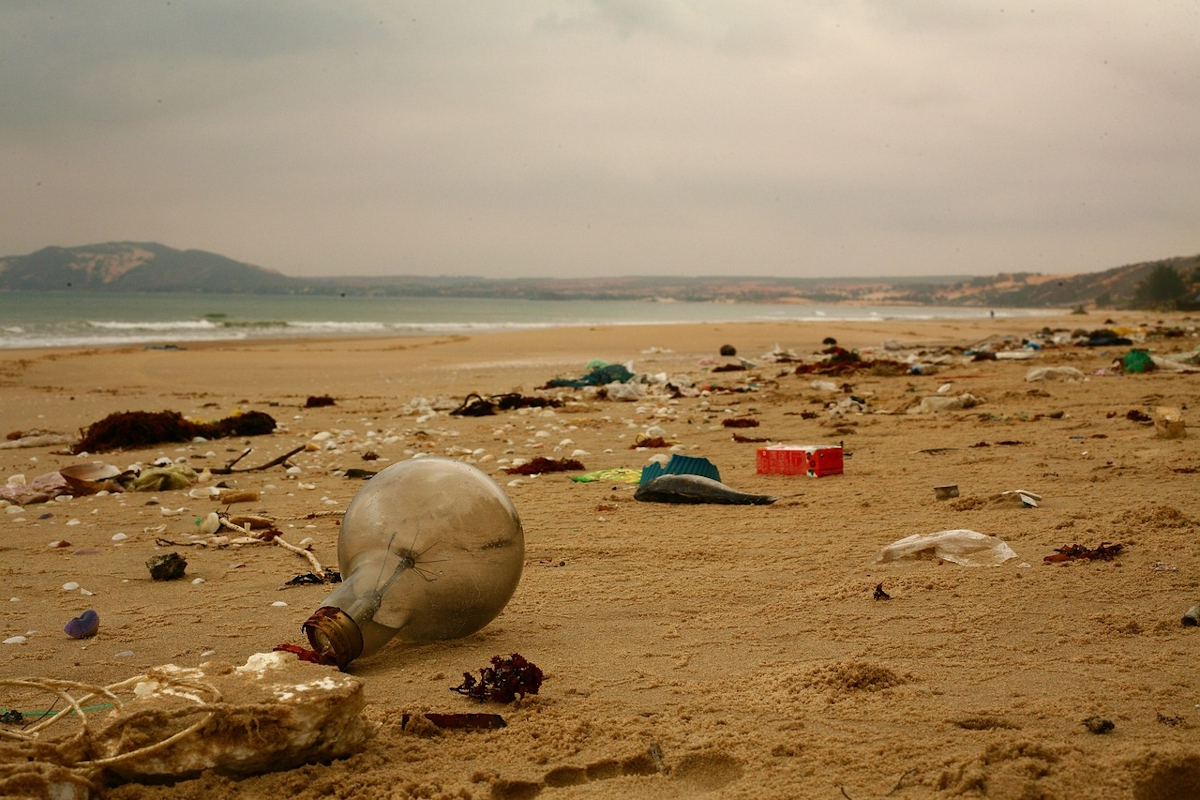
Many of us here in North Texas do not spend much time thinking about ocean pollution and how easily the recyclables we don’t dispose of properly can still make it into the sea. After all, Dallas is hundreds of miles away from the nearest coastline. It is easy to assume that a cardboard box tossed into the wrong dumpster or a plastic bottle left in a parking lot could never affect marine ecosystems.
Unfortunately, that assumption is far from reality.
Improperly discarded recyclables can travel surprisingly long distances through storm drains, creeks, rivers, highways, and landfills before eventually reaching the Gulf Coast and beyond. What starts as litter in a Dallas parking lot can eventually become part of the growing global ocean debris problem.
The issue has become even more important today as companies across Texas focus more heavily on sustainability, ESG initiatives, waste reduction, and environmental compliance. Recycling is no longer simply a “good deed.” It is now part of how organizations protect their reputation, reduce landfill waste, and contribute to long-term environmental responsibility.
Ocean Pollution and Recyclables Remain a Major Global Problem
Plastic pollution continues to dominate headlines, but plastics are not the only recyclables ending up in oceans and waterways. Aluminum, cardboard, paper, textiles, glass, and packaging materials also contribute to the problem when they are not disposed of properly.
According to the United Nations Environment Programme, millions of tons of plastic waste enter oceans each year. Researchers also continue to find microplastics in marine life, drinking water, and even the food supply.
While many people associate ocean pollution with coastal cities, inland communities contribute significantly through litter, illegal dumping, and poor waste handling practices. In many cases, recyclables that could have been reused instead become pollution.
The reality is simple: when recyclables are not properly collected and processed, they often become environmental waste instead of valuable reusable resources.
Common Recyclables That Can End Up in Oceans
Many everyday recyclables can eventually make their way into waterways if they are not handled correctly, including:
- Paper products (newspapers, paper plates, etc.)
- Beverage cartons
- Cardboard shipping boxes from online orders
- Office paper and junk mail
- Glass bottles and jars
- Product packaging materials
- Plastic beverage bottles
- Textiles and fabric scraps
- Plastic film and wrapping materials
With e-commerce continuing to grow, cardboard recyclables and packaging materials remain especially significant contributors to litter and overflow waste streams. Businesses generating large amounts of shipping materials should ensure recyclables are separated properly to avoid contamination and landfill overflow.
Companies looking to improve cardboard recycling processes can learn more through Texas Recycling’s commercial recycling services. Call 214-357-0262
How Do Recyclables Reach the Ocean?
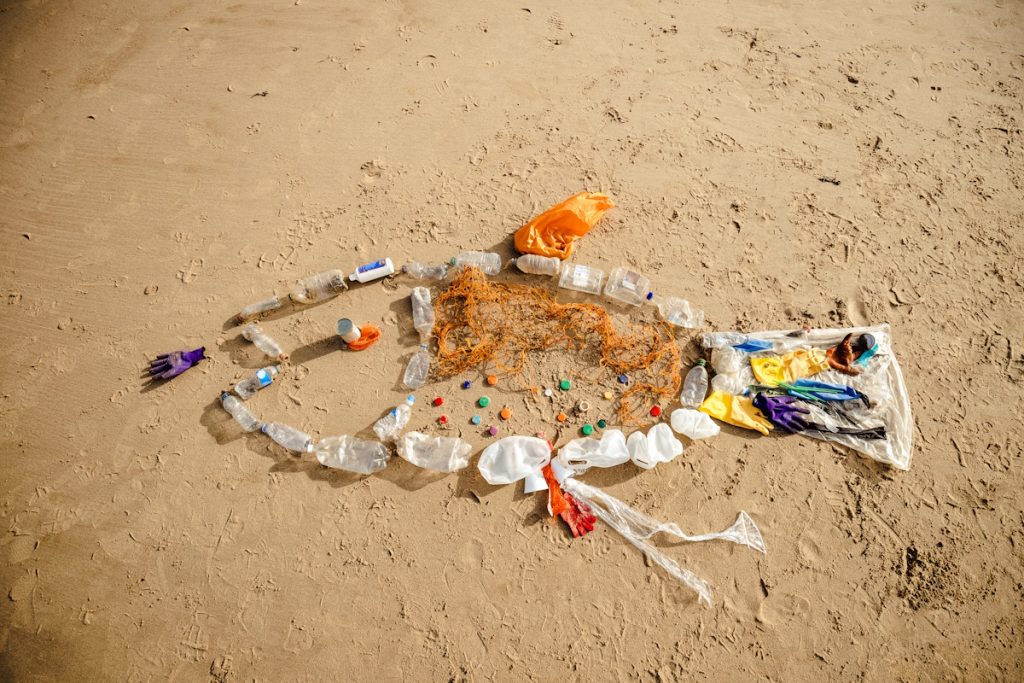
Even when someone does not intentionally litter near a beach or coastline, recyclables can still travel long distances through several common pathways.
1. Littering
A single plastic bottle or aluminum can tossed on a roadside may not seem important in the moment. However, rainwater and wind can carry litter and loose recyclables into storm drains, creeks, and rivers that eventually connect to larger waterways leading to the ocean.
Cigarette butts, food wrappers, paper products, and beverage containers are among the most commonly littered items found during cleanup efforts nationwide.
2. Stormwater Runoff
North Texas storms can move enormous amounts of debris in a short amount of time. Overflowing storm drains frequently carry loose trash and recyclables into local waterways.
The National Oceanic and Atmospheric Administration (NOAA) Marine Debris Program notes that land-based trash and stormwater runoff are major contributors to marine debris pollution.
3. Poor Waste Management Practices
Overflowing dumpsters, unsecured loads, and improperly covered trucks can all contribute to recyclables escaping into the environment.
Commercial facilities that generate high volumes of cardboard, paper, plastics, or scrap materials should have organized recycling programs in place to reduce loose debris and contamination risks.
For businesses, poor recycling management can also create safety hazards, regulatory concerns, and unnecessary disposal expenses.
Organizations handling high volumes of recyclables can benefit from customized pickup and processing programs from Texas Recycling’s industrial recycling services.
4. Contaminated Recycling Streams
One of the biggest challenges facing recycling centers in 2026 is contamination.
When food waste, liquids, or non-recyclable items are mixed into containers, otherwise usable recyclables may no longer be processable. Contaminated loads often end up diverted to landfills instead of being recycled.
This is why proper sorting and employee education remain critical for both residential and commercial recycling programs.
The U.S. Environmental Protection Agency (EPA) recycling guide provides additional information on properly recycling common materials.
Texas Recycling: Metal, Paper, Cardboard Recycling and a Whole Lot More! 214-357-0262

What Are Consequences of Having Recyclables in Our Oceans?
Ocean pollution impacts far more than beaches.
Marine animals frequently ingest plastic fragments or become entangled in debris, causing injury or death. Scientists also continue studying how microplastics affect fish populations, ecosystems, and human health.
Beyond environmental damage, ocean pollution creates economic consequences as well.
Communities dependent on tourism, fishing, and recreation often suffer when waterways and beaches become polluted. Cleanup efforts also cost billions of dollars globally each year.
Even businesses located far from the coast play a role in either contributing to or helping reduce this problem by properly managing recyclables.
Why Recycling Programs Matter More Today
Today’s companies face increasing pressure from customers, vendors, municipalities, and stakeholders to demonstrate environmental responsibility.
Commercial recycling programs can help organizations:
- Reduce landfill disposal costs
- Improve sustainability reporting and ESG efforts
- Support corporate environmental goals
- Reduce clutter and improve operational efficiency
- Generate potential revenue from recyclables
- Strengthen brand reputation with customers and partners
For manufacturers, warehouses, distribution centers, retailers, and office facilities throughout Dallas-Fort Worth, proper handling of recyclables is both an environmental and operational advantage.
Businesses interested in maximizing the value of recyclables can also explore Texas Recycling’s Public Buy Back Center.
Simple Ways to Help Prevent Recyclables From Becoming Ocean Pollution
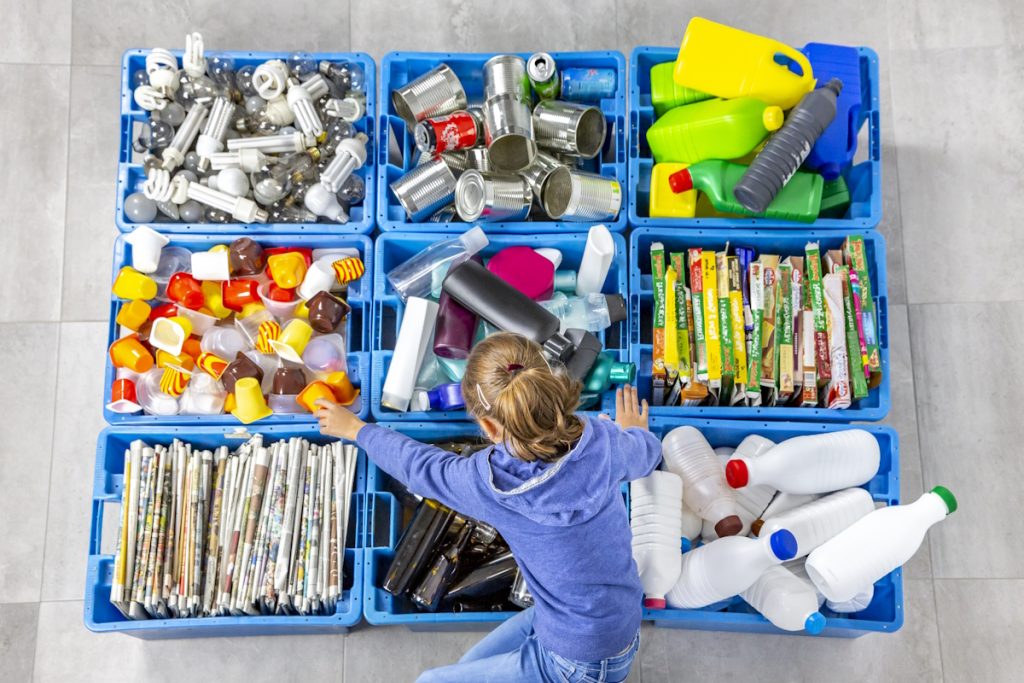
Preventing recyclables from becoming pollution starts with everyday actions and better waste management systems.
Recycle Correctly
Properly sorting recyclables is one of the easiest ways to reduce environmental waste. Businesses should clearly label containers and educate employees on acceptable recyclable materials.
Secure Waste and Recycling Containers
Overflowing dumpsters and loose cardboard recyclables can quickly become windblown litter. Keeping containers covered and organized helps prevent debris from escaping into the environment.
Reduce Contamination
Food residue, liquids, and non-recyclable materials can ruin entire loads of recyclables. Taking a few extra moments to separate materials correctly helps improve recycling efficiency.
Participate in Cleanup Efforts
Community cleanups along rivers, parks, and waterways help remove recyclables and debris before they reach larger water systems.
Work With an Experienced Recycling Partner
A knowledgeable recycling company can help businesses improve diversion rates, reduce contamination, and create customized recycling programs tailored to their operations.
Texas Recycling Is Your Recycling Resource in Dallas, Texas
At Texas Recycling, helping businesses reduce waste and properly process recyclables has always been the mission.
Our team processes large volumes of recyclable cardboard, paper, newspaper, and metals at our more than 225,000-square-foot recycling facility serving the D/FW metroplex. We help commercial, industrial, and manufacturing businesses create efficient recycling programs that support both sustainability and operational goals.
From scheduled pickups for large commercial entities, to our Public Buy Back Center for individuals and smaller businesses, we offer recycling solutions designed to keep recyclables out of landfills—and ultimately out of oceans and waterways.
If your company wants to strengthen its recycling efforts, improve sustainability initiatives, and reduce waste disposal costs, call Texas Recycling at 214-357-0262 to get started on a commercial recycling or industrial recycling program for your organization.